Unlocking the Secrets of Deep Learning: A Beginner’s Guide


Understanding Deep Learning
Deep learning is a subset of machine learning that mimics the workings of the human brain to process data. It uses neural networks with many layers to analyze various factors of data. This complex structure allows it to recognize patterns and make predictions with remarkable accuracy.

The Basics of Neural Networks
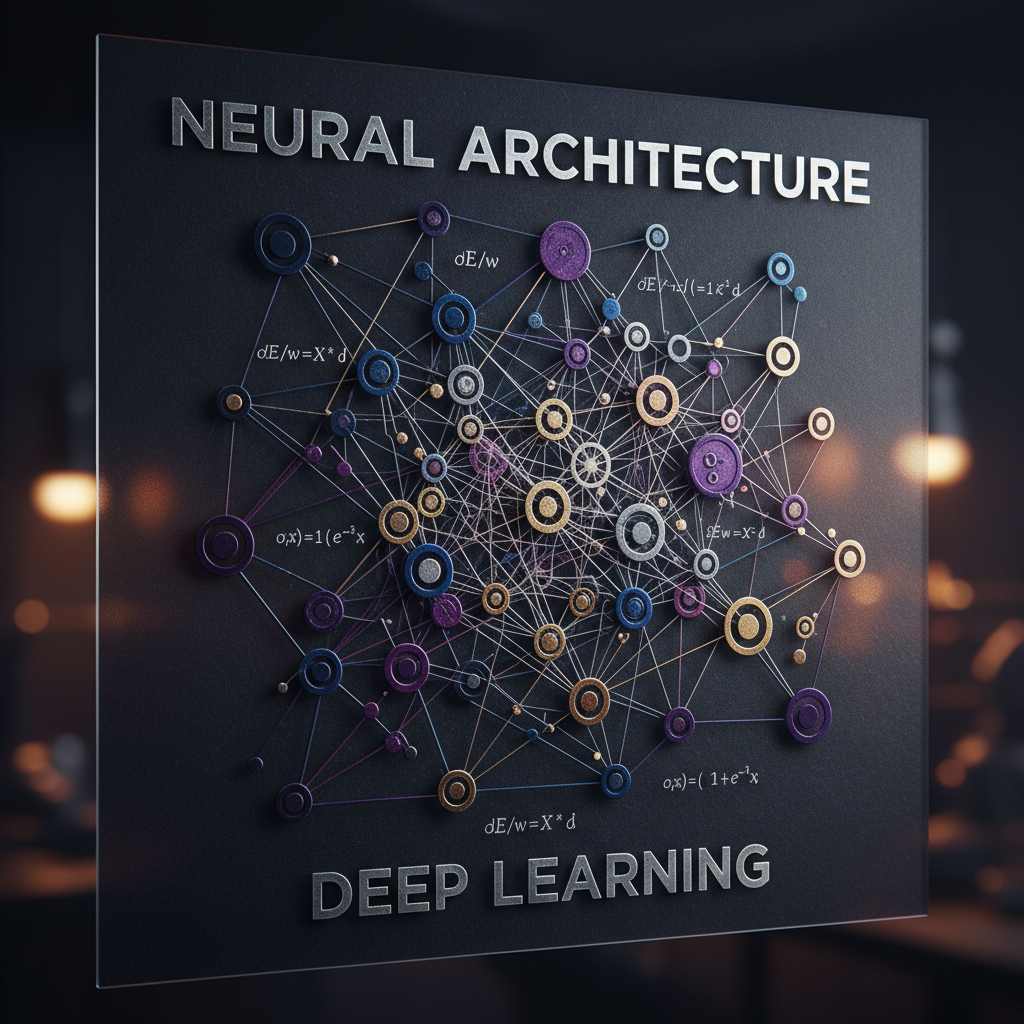
At the heart of deep learning are neural networks, which consist of layers of interconnected nodes. Each node processes input data and passes the result to the next layer. The deeper the network, the more complex patterns it can recognize. This makes deep learning powerful for tasks like image and speech recognition.
Why Deep Learning Matters
Deep learning has revolutionized fields such as artificial intelligence, healthcare, and finance by providing more accurate predictive models. Its ability to learn from vast amounts of data makes it an essential tool for businesses and researchers looking to uncover insights and drive innovation.

Getting Started with Deep Learning
For beginners, diving into deep learning can seem daunting, but understanding the basic concepts is a great start. Familiarity with programming languages like Python and libraries such as TensorFlow or PyTorch can be beneficial. These tools provide frameworks that simplify the process of building and training neural networks.
Building Your First Model
Creating your first deep learning model involves several steps:
- Define the problem you want to solve and gather relevant data.
- Choose the appropriate neural network architecture.
- Preprocess the data to ensure it is suitable for training.
- Train the model using your data, adjusting parameters to improve accuracy.
- Evaluate the model's performance and fine-tune as necessary.
Challenges and Considerations
While deep learning offers immense potential, it also poses challenges. High computational power is often required, and overfitting can occur if a model learns noise instead of the signal in the data. It's crucial to balance complexity with performance and ensure ethical considerations in AI development.
The Future of Deep Learning
As technology advances, deep learning will continue to evolve, offering even more sophisticated solutions. Innovations in quantum computing and neuromorphic chips are set to push the boundaries, providing faster and more efficient processing. Embracing these advancements will be key to unlocking new opportunities.

Deep learning is a transformative field with the power to change industries and improve lives. By understanding its fundamentals and potential, beginners can embark on a journey to harness its capabilities and contribute to the future of technology.