Personalized Learning Paths: Transforming AI Education


Introduction to Personalized Learning Paths
In the ever-evolving landscape of education, personalized learning paths have emerged as a transformative approach, especially in the realm of AI education. By tailoring educational experiences to individual needs, learners can achieve a deeper understanding and mastery of complex subjects. This method leverages technology to adapt to the unique pace and style of each student, ensuring that no one is left behind.

Understanding Personalized Learning
Personalized learning paths involve creating customized educational journeys that cater to the specific strengths, weaknesses, and interests of each learner. This approach contrasts with traditional one-size-fits-all education, offering a more flexible and engaging experience. By focusing on the individual, educators can foster a more effective and enjoyable learning environment.
One of the key components of personalized learning is the use of data analytics. By analyzing a student's progress and performance, educators can adjust the curriculum to better suit their needs. This data-driven approach ensures that each student receives the attention and resources they require to succeed.
The Role of AI in Education
Artificial Intelligence plays a crucial role in facilitating personalized learning paths. AI-powered tools can assess a student's knowledge level, learning style, and preferences, creating a tailored educational experience. These tools can provide real-time feedback, identify areas for improvement, and suggest additional resources, making learning more efficient and effective.
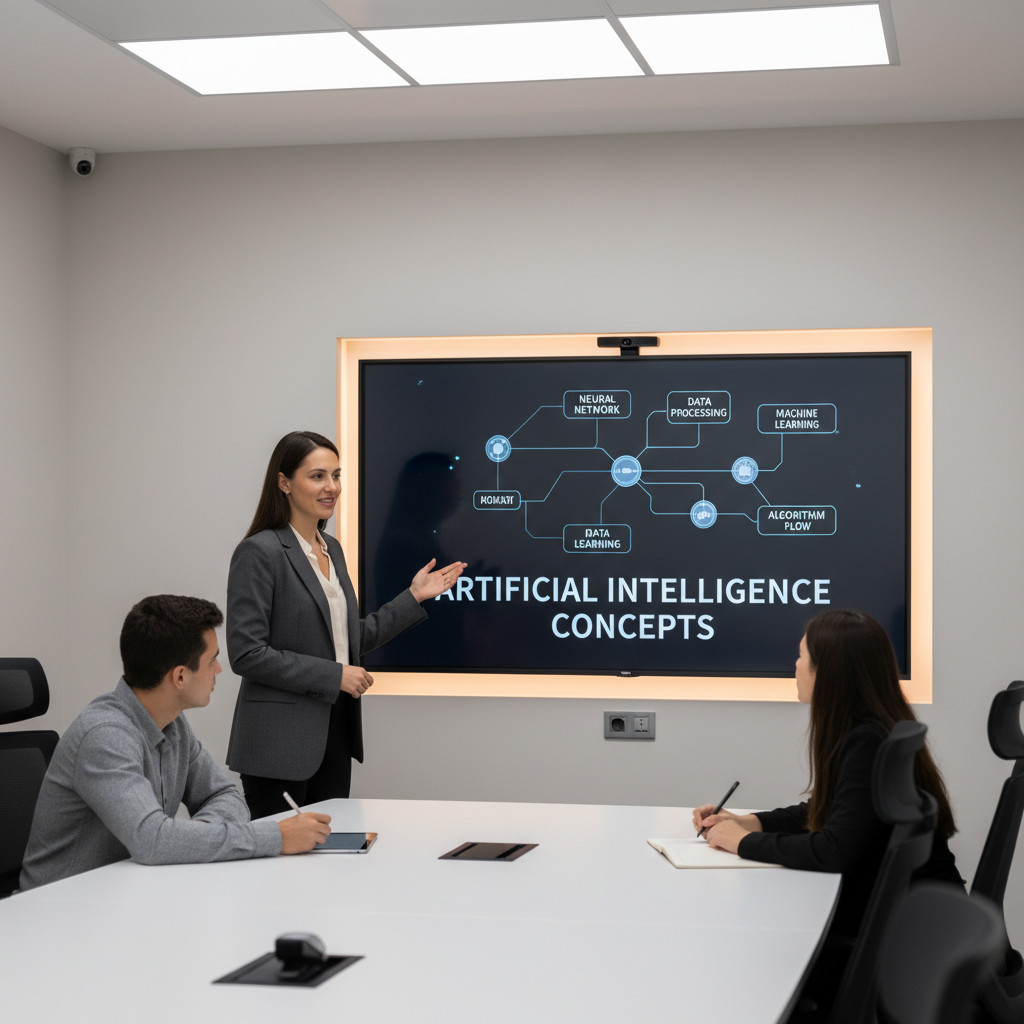
Moreover, AI technologies can automate administrative tasks, allowing educators to focus more on teaching and less on paperwork. This not only enhances the quality of education but also reduces the workload on teachers, enabling them to dedicate more time to student interactions.
Benefits of Personalized Learning Paths
There are numerous benefits to implementing personalized learning paths in AI education. First and foremost, this approach allows for greater student engagement. By aligning the curriculum with a student's interests and abilities, learning becomes more relevant and motivating. Additionally, personalized paths can lead to improved academic performance, as students receive targeted support and resources.
- Enhanced Engagement: Students are more likely to stay interested in material that resonates with their personal goals and interests.
- Improved Outcomes: With tailored support, learners can achieve higher levels of understanding and retention.
- Flexibility: Learning can occur at any pace, allowing students to spend more time on challenging topics.
Implementing Personalized Learning in AI Education
To successfully implement personalized learning paths, institutions need to invest in the right technologies and training. Educators must be equipped with the skills to use AI tools effectively and interpret data insights to enhance their teaching strategies. Collaboration between technology providers and educational institutions is essential for creating a seamless integration of personalized learning solutions.

Furthermore, continuous assessment and feedback mechanisms must be in place to ensure that personalized learning paths are effective. By regularly evaluating the success of these programs, educators can make necessary adjustments to optimize learning outcomes.
Conclusion
Personalized learning paths are revolutionizing AI education by providing a more customized, engaging, and effective learning experience. As technology continues to advance, the potential for personalized education will only grow, offering exciting opportunities for learners and educators alike. By embracing this innovative approach, we can ensure that education is accessible, relevant, and empowering for students of all backgrounds.