Exploring the Latest Trends in Deep Learning Education


Understanding the Growing Importance of Deep Learning Education
The field of deep learning is rapidly evolving, and with it, the demand for skilled professionals who can navigate this complex landscape is increasing. As industries across the globe continue to embrace artificial intelligence, the need for comprehensive education in deep learning becomes more critical. This blog post explores the latest trends in deep learning education, highlighting the tools, techniques, and approaches that are shaping the future of this field.

Interactive and Practical Learning Approaches
One of the significant trends in deep learning education is the shift towards more interactive and practical learning methods. Traditional lecture-based teaching is being supplemented with hands-on projects and real-world problem-solving exercises. This approach not only enhances student engagement but also ensures that learners can apply theoretical knowledge to practical scenarios.
Many educational institutions are now incorporating project-based learning where students work on real datasets and develop solutions that mimic industry challenges. This method helps bridge the gap between academic learning and industry expectations, providing students with a competitive edge.
Online Learning Platforms and Certifications
With the rise of online learning platforms, access to quality deep learning education has become more democratized. Platforms like Coursera, edX, and Udacity offer a variety of courses ranging from beginner to advanced levels, often in collaboration with top universities and tech companies. These courses frequently culminate in certifications that are recognized by employers worldwide.

Such platforms provide flexibility, allowing learners to progress at their own pace and customize their learning paths according to their interests and career goals. This flexibility is particularly beneficial for working professionals looking to upskill without disrupting their careers.
Integration of AI Tools in Education
The integration of AI tools in the educational process is another emerging trend. Tools powered by AI can provide personalized learning experiences, adapting to the pace and style of individual learners. These tools can offer instant feedback, helping students identify areas for improvement and fostering a more efficient learning process.
Additionally, AI-driven analytics can help educators track student progress and tailor instruction to meet diverse learning needs, ensuring that no student is left behind.
Collaboration with Industry Leaders
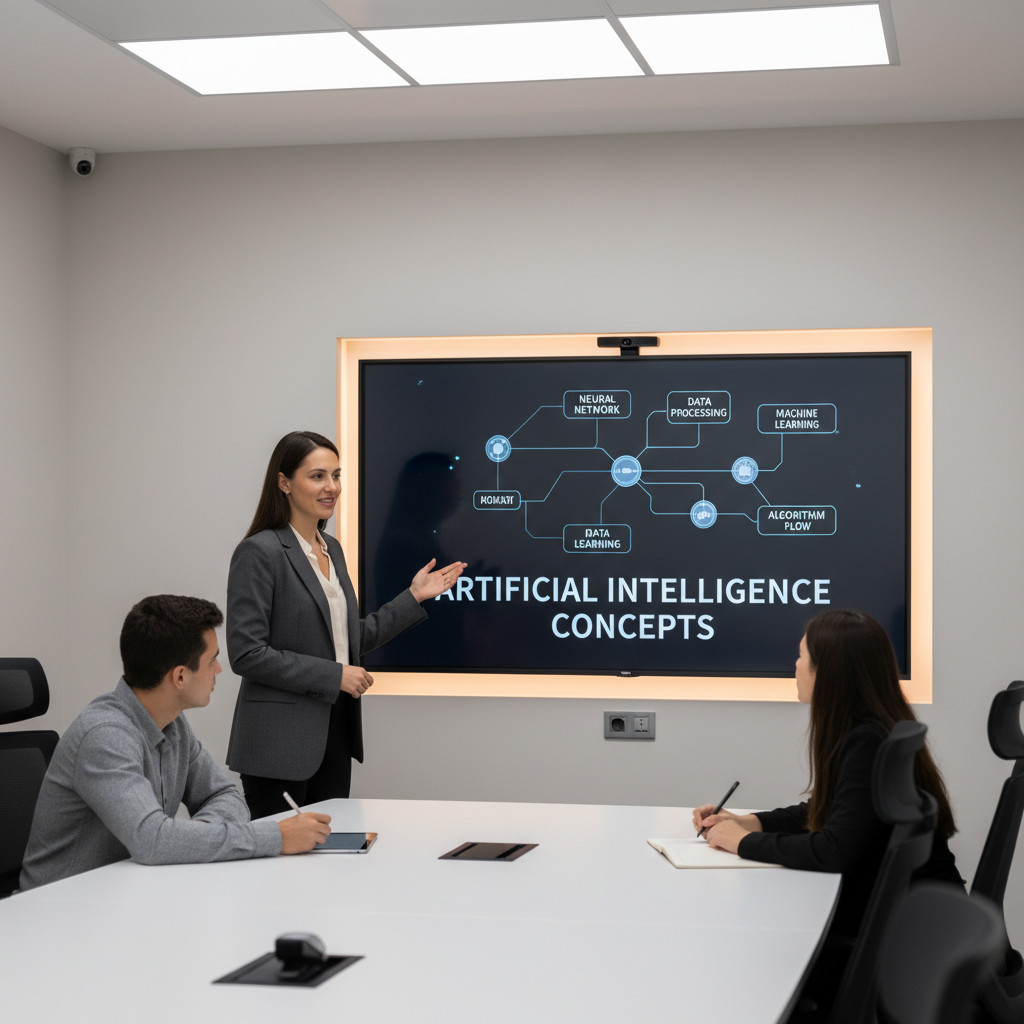
Collaboration between educational institutions and industry leaders is becoming increasingly common, providing students with insights into the latest industry trends and technologies. These partnerships often result in updated curricula that reflect current industry practices and emerging technologies.
Internship opportunities, guest lectures from industry experts, and collaborative projects are some of the ways institutions are integrating industry knowledge into their programs, preparing students for successful careers in deep learning.
Emphasis on Ethical and Responsible AI
As AI technologies become more pervasive, there is a growing emphasis on teaching ethical considerations and responsible AI practices. Educational programs are increasingly incorporating modules that focus on the ethical implications of AI, ensuring that future professionals are aware of the societal impacts of their work.
This aspect of education is crucial in fostering a new generation of AI professionals who are not only technically proficient but also socially responsible.

In conclusion, the landscape of deep learning education is undergoing significant transformation. By embracing interactive learning, leveraging online platforms, integrating AI tools, collaborating with industry, and focusing on ethics, educational institutions are equipping students with the skills and knowledge necessary to thrive in this dynamic field. As deep learning continues to evolve, so too must the educational approaches that support its growth.