Emerging Technologies in AI Teaching: What You Need to Know


Introduction to AI in Education
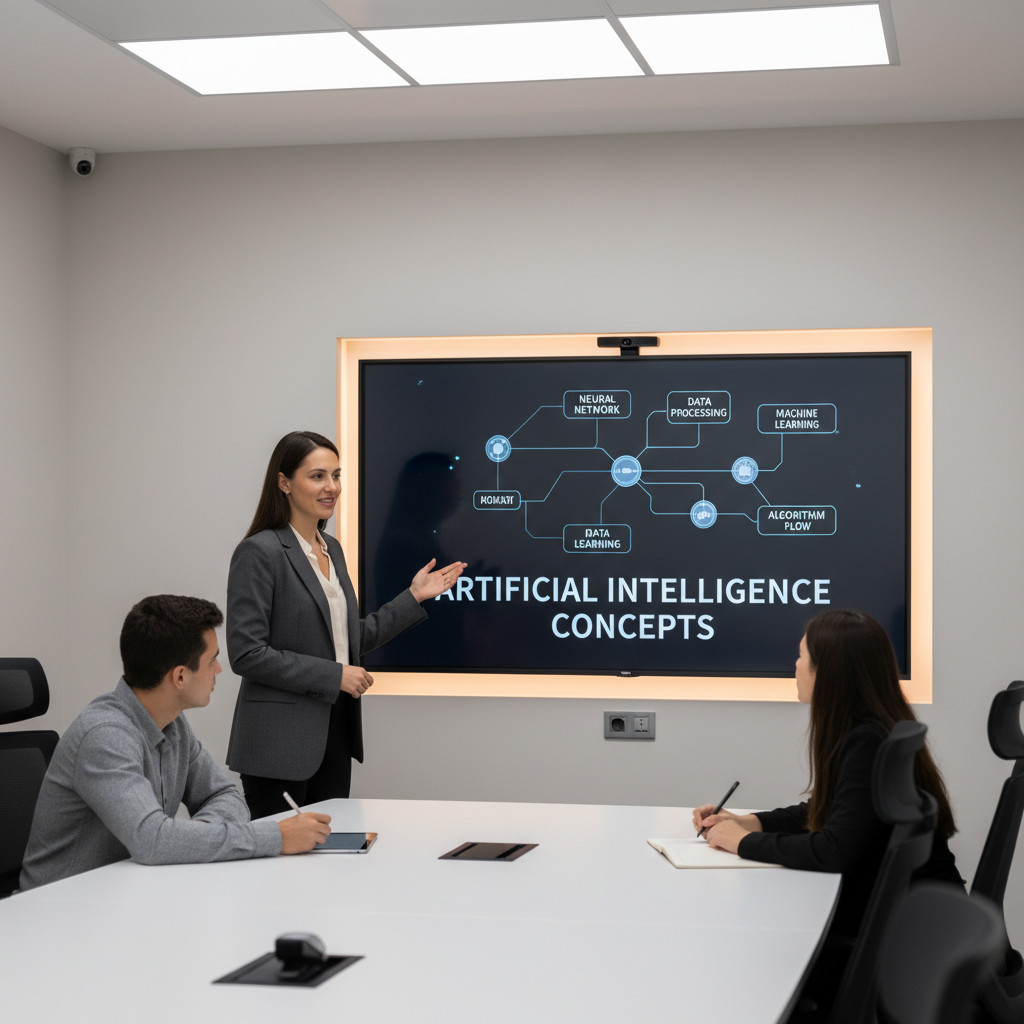
The integration of artificial intelligence into education is revolutionizing how we learn and teach. As technology advances, AI's role in educational settings is becoming more prominent, offering personalized learning experiences and automating administrative tasks. Understanding these emerging technologies is crucial for educators and students alike.
Personalized Learning Experiences
AI technologies are enhancing personalized learning by adapting to individual student's needs. Through data analysis, AI can identify a student's strengths and weaknesses, tailoring lessons to optimize their learning experience. This adaptive learning approach ensures that students receive the right level of challenge and support.
One of the key benefits of personalized learning is the ability to provide immediate feedback. AI-driven platforms can assess student performance in real-time, offering constructive feedback that helps learners improve faster. This instant response mechanism keeps students engaged and motivated.
Adaptive Learning Technologies
Adaptive learning systems use algorithms to adjust the difficulty of tasks based on a student's progress. These systems are particularly useful in subjects like math and science, where concepts build on one another. By ensuring students master foundational skills before moving on, AI helps create a more robust understanding of complex topics.

Automating Administrative Tasks
AI is streamlining administrative tasks, allowing educators to focus more on teaching. From grading assignments to scheduling, AI tools can handle repetitive tasks efficiently. This automation not only saves time but also reduces the likelihood of human error.
For instance, AI-powered grading systems can evaluate multiple-choice and even some types of written responses, providing consistent and unbiased assessments. By automating these processes, teachers can dedicate more time to developing innovative teaching strategies and engaging with students.
Smart Scheduling and Planning
AI tools are also being used to optimize class schedules and resource allocation. By analyzing patterns in student attendance and performance, AI can suggest optimal times for classes and allocate resources where they are needed most. This data-driven approach ensures that educational institutions operate more efficiently.

Enhancing Student Engagement
AI technologies are creating more interactive and engaging learning environments. Virtual reality (VR) and augmented reality (AR) are being used to immerse students in their learning experiences, making complex subjects more tangible and exciting.
These immersive technologies can simulate real-world scenarios, allowing students to practice skills in a controlled environment. For example, medical students can perform virtual surgeries, gaining hands-on experience without the associated risks.
AI Tutors and Chatbots
AI tutors and chatbots are becoming increasingly common in educational settings. These virtual assistants can answer student queries around the clock, providing support outside traditional classroom hours. This accessibility ensures that students can learn at their own pace, without being constrained by time or location.

Conclusion
The incorporation of AI in education is a game-changer, offering numerous benefits from personalized learning to administrative efficiency. As these technologies continue to evolve, they will play a crucial role in shaping the future of education. Staying informed about these developments is essential for educators, students, and policymakers to fully leverage the potential of AI in teaching.