Beginner’s Guide to Python for Data Science: Starting Your AI Career


Introduction to Python for Data Science
Python has become the go-to language for data science, thanks to its simplicity and versatility. Whether you're a beginner or looking to transition into the field, Python offers a robust platform to start your AI career. With its vast libraries and community support, Python is an excellent choice for data manipulation, analysis, and visualization.
Why Choose Python?
Python's popularity in data science stems from its readability and extensive libraries. Libraries like Pandas and NumPy make data manipulation and analysis straightforward. Additionally, Python’s flexibility enables integration with other technologies, making it a versatile tool for data scientists.
Key Libraries for Data Science
Understanding and leveraging Python’s libraries is crucial for data science. Some essential libraries include:
- Pandas: Ideal for data manipulation and analysis.
- NumPy: Supports large, multi-dimensional arrays and matrices.
- Matplotlib and Seaborn: Great for data visualization.
- Scikit-learn: Comprehensive library for machine learning.
Setting Up Your Environment
Before diving into coding, it's important to set up a conducive environment for data science work. Tools like Anaconda simplify the installation of Python and its libraries. Jupyter Notebook, a part of Anaconda, provides an interactive platform to test and run your code.

Installing Anaconda
To begin, download and install Anaconda from its official website. Follow the installation instructions specific to your operating system. Once installed, you can easily manage your Python packages and dependencies.
Basic Python Concepts
For beginners, understanding basic Python concepts is essential. Concepts such as data types, loops, and functions form the foundation of any programming task. Python’s syntax is intuitive, making it an excellent language for beginners.
Data Structures in Python
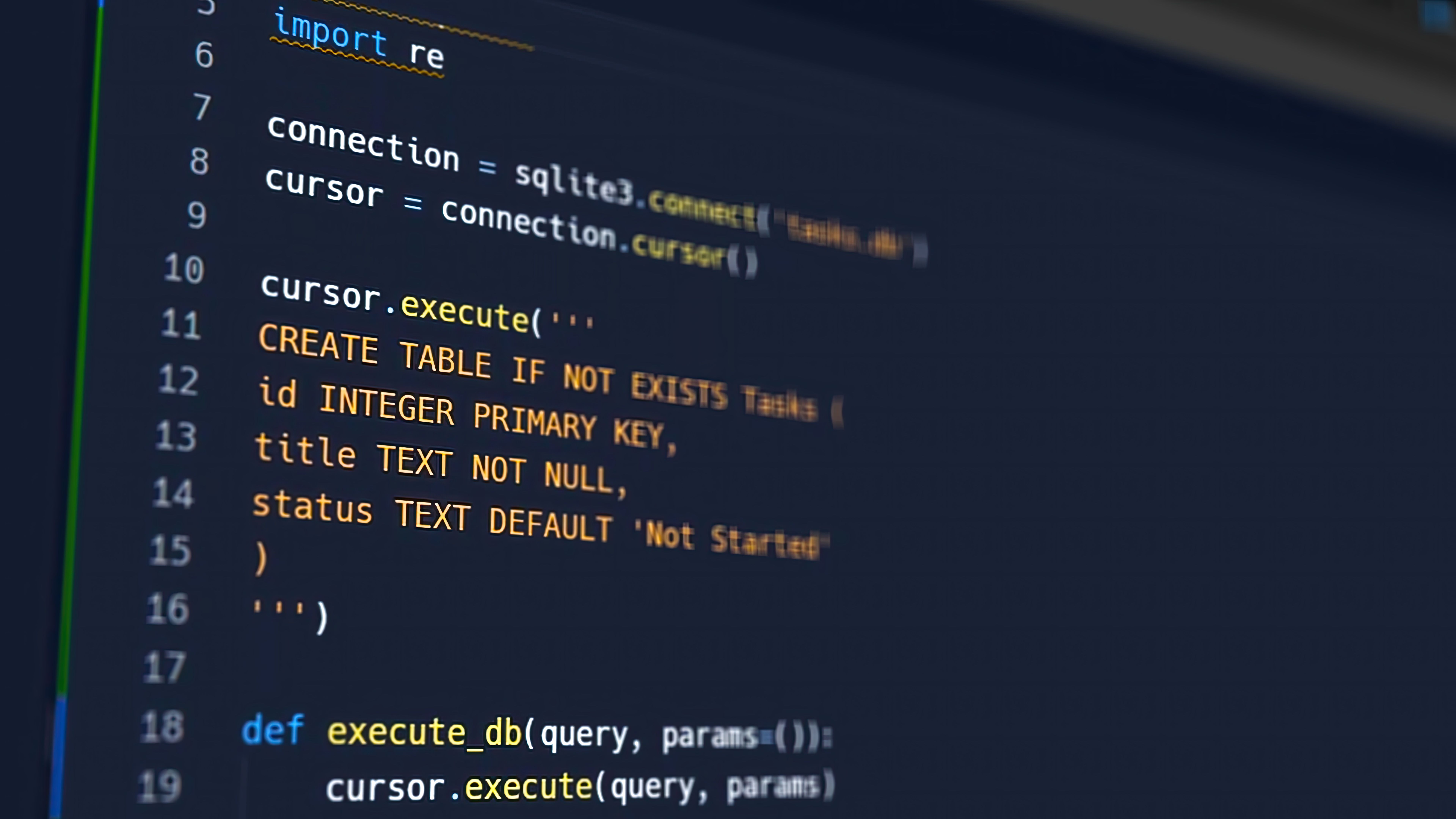
Data structures like lists, dictionaries, and tuples are fundamental in organizing data. Mastering these will aid in efficient data handling and manipulation, which is crucial in data science workflows.
Getting Started with Data Analysis
Once you're comfortable with Python basics, it's time to dive into data analysis. Start with simple datasets to practice data cleaning and exploration. Use Pandas for data manipulation and Matplotlib or Seaborn for visualizations.
Practical Projects
Engaging in practical projects can significantly enhance your learning. Consider working on projects like data visualization dashboards or predictive models. These projects not only improve your skills but also build your portfolio.
Conclusion
Embarking on a career in data science with Python is both rewarding and challenging. By mastering Python and its libraries, you open doors to numerous opportunities in the AI and data science fields. Remember, the key is continuous practice and staying updated with the latest trends and tools.