AI Upskilling: Personalized Learning Paths for Success


The Rise of AI in Education
Artificial Intelligence is revolutionizing various industries, and education is no exception. The rise of AI-powered tools has paved the way for personalized learning paths, offering students tailored educational experiences that cater to their individual needs and learning styles. This transformation is not just beneficial for students but also equips educators with insights that enhance teaching methodologies.
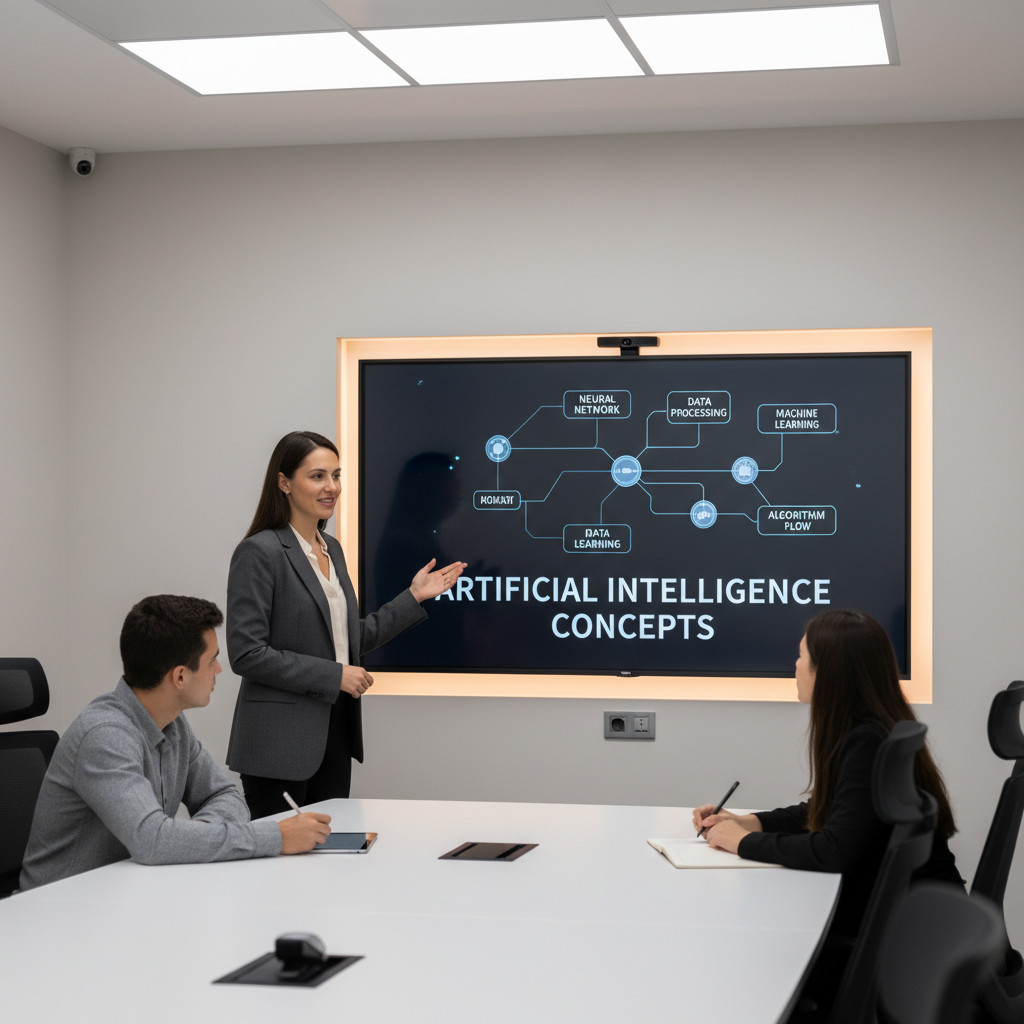
Understanding Personalized Learning Paths
Personalized learning paths refer to customized educational journeys that leverage AI to analyze a student's strengths, weaknesses, and interests. By doing so, AI can recommend specific courses, resources, and activities that align with a learner's unique profile. This approach not only maximizes learning efficiency but also keeps students engaged by focusing on areas that are relevant and interesting to them.
AI-driven platforms use data to constantly assess and adjust the learning material, ensuring that it remains challenging yet achievable. This dynamic adaptation allows students to progress at their own pace, fostering a sense of ownership and motivation in their educational journey.
Benefits of AI Upskilling
AI upskilling offers numerous advantages for both learners and educators. For students, it means access to a more engaging and effective learning experience. They can focus on mastering skills that are directly applicable to their career goals. For educators, AI provides valuable insights into student performance, enabling more targeted support and intervention.
- Enhanced Learning Engagement: Personalized content keeps learners motivated.
- Improved Retention Rates: Students retain more information when it is relevant to their goals.
- Increased Flexibility: Learners can study at their own pace and time.

AI Tools and Technologies
The integration of AI in education is made possible through various tools and technologies. Learning Management Systems (LMS) with AI capabilities are widely used to create adaptive learning environments. Additionally, AI tutors and chatbots provide instant feedback and assistance, further enhancing the learning experience.
These tools not only support traditional educational settings but also facilitate remote learning. With AI, geographical barriers are minimized, allowing students from different parts of the world to access quality education resources.
Challenges and Considerations
While the benefits of AI upskilling are significant, there are challenges to consider. Privacy concerns, data security, and the digital divide are key issues that need to be addressed. Ensuring equitable access to AI technologies is crucial to prevent widening the gap between different socio-economic groups.

Moreover, educators and institutions must be trained to effectively implement and manage AI tools. Continuous professional development is essential to keep pace with technological advancements and to fully harness the potential of AI in education.
The Future of AI in Education
As AI continues to evolve, its impact on education will likely deepen. Future developments may include even more sophisticated learning analytics, virtual reality classrooms, and predictive modeling to anticipate student needs. These innovations promise to further enhance personalized learning paths and make education more inclusive and accessible.
Ultimately, the integration of AI in education is about creating a more adaptive, efficient, and engaging learning environment. By embracing these technologies, we can prepare students for a future where lifelong learning is not just a possibility, but a necessity.