AI Myths Debunked: What You Need to Know Before Starting a Course


Understanding the Basics
Artificial Intelligence (AI) is a field that has captured the imagination of many, but it is often surrounded by misconceptions. As you prepare to start an AI course, it's crucial to separate fact from fiction. Understanding the basics will not only help you during your studies but also in practical applications.
One common myth is that AI is a recent phenomenon. In reality, the origins of AI go back several decades. The field has evolved significantly, and today, it encompasses various technologies, including machine learning, neural networks, and natural language processing.
Myth: AI Will Replace All Jobs
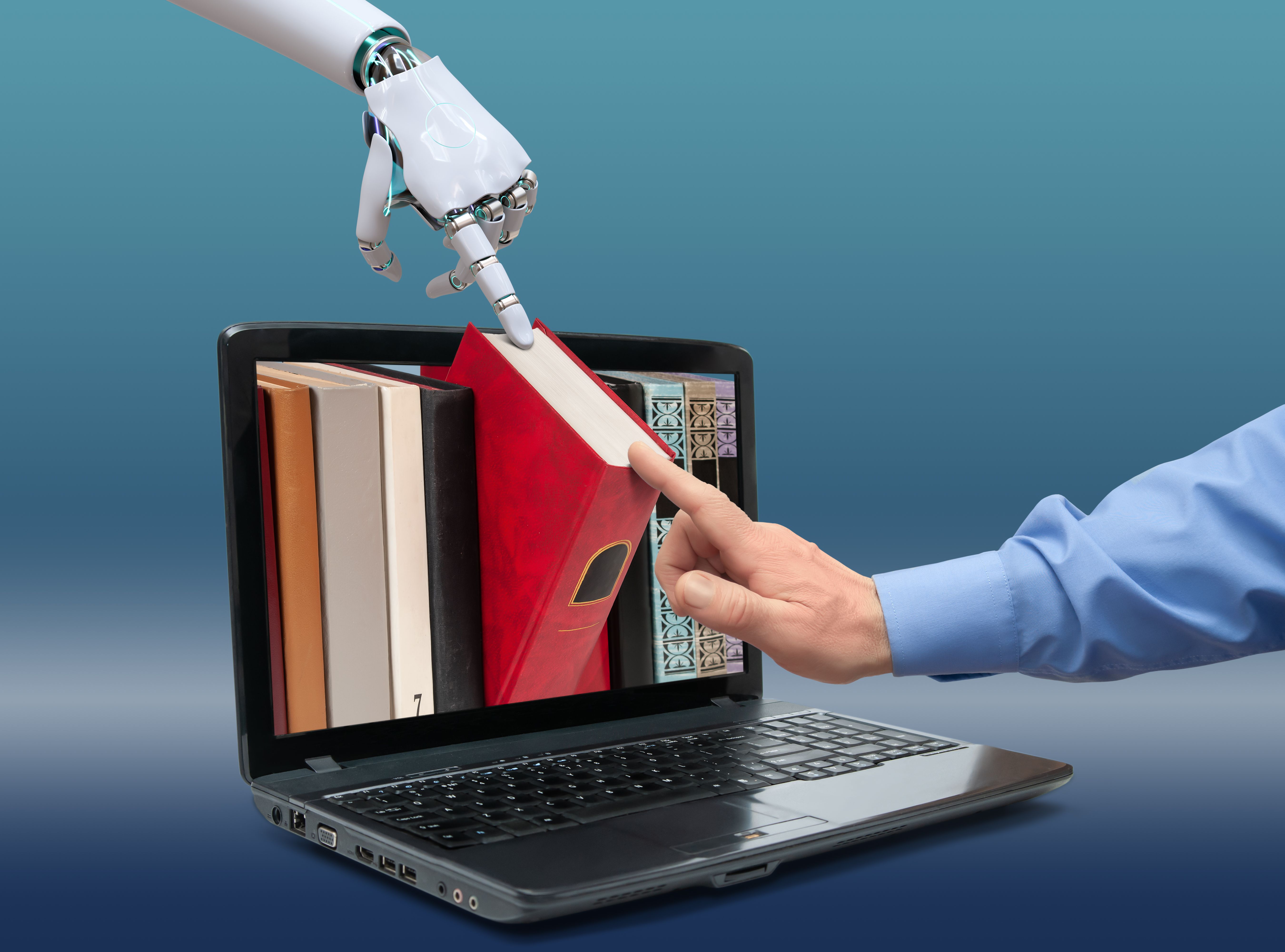
There's a widespread belief that AI will lead to massive unemployment by replacing all human jobs. While AI is indeed automating certain tasks, it is also creating new opportunities. Jobs requiring creativity, empathy, and complex decision-making remain predominantly human domains.
In fact, AI is designed to assist and augment human capabilities. For instance, in healthcare, AI can analyze vast data sets to aid doctors in diagnosis, but it cannot replace the nuanced care a human doctor provides.
Myth: AI Is Infallible
Another myth is that AI systems are always accurate and reliable. While AI can process information faster than humans, it is not immune to errors. The accuracy of AI systems depends on the quality of data and the algorithms used.

Understanding the limitations of AI is crucial. For example, biased data can lead to biased outcomes. Therefore, human oversight is essential to ensure ethical and accurate AI deployments.
The Complexity of AI
Many people believe that AI is too complex to understand without a technical background. While a deep dive into AI requires some technical knowledge, foundational concepts can be grasped by anyone. Most AI courses are designed to gradually build up from basics to more advanced topics.
- Start with basic programming skills.
- Learn about algorithms and data structures.
- Explore introductory AI concepts.
Myth: AI Can Think Like Humans
AI mimics certain aspects of human intelligence but does not possess consciousness or emotions. This myth often leads to unrealistic expectations about AI's capabilities. AI operates based on patterns and logic, and while it can simulate conversations or recognize images, it does not "understand" them in a human sense.
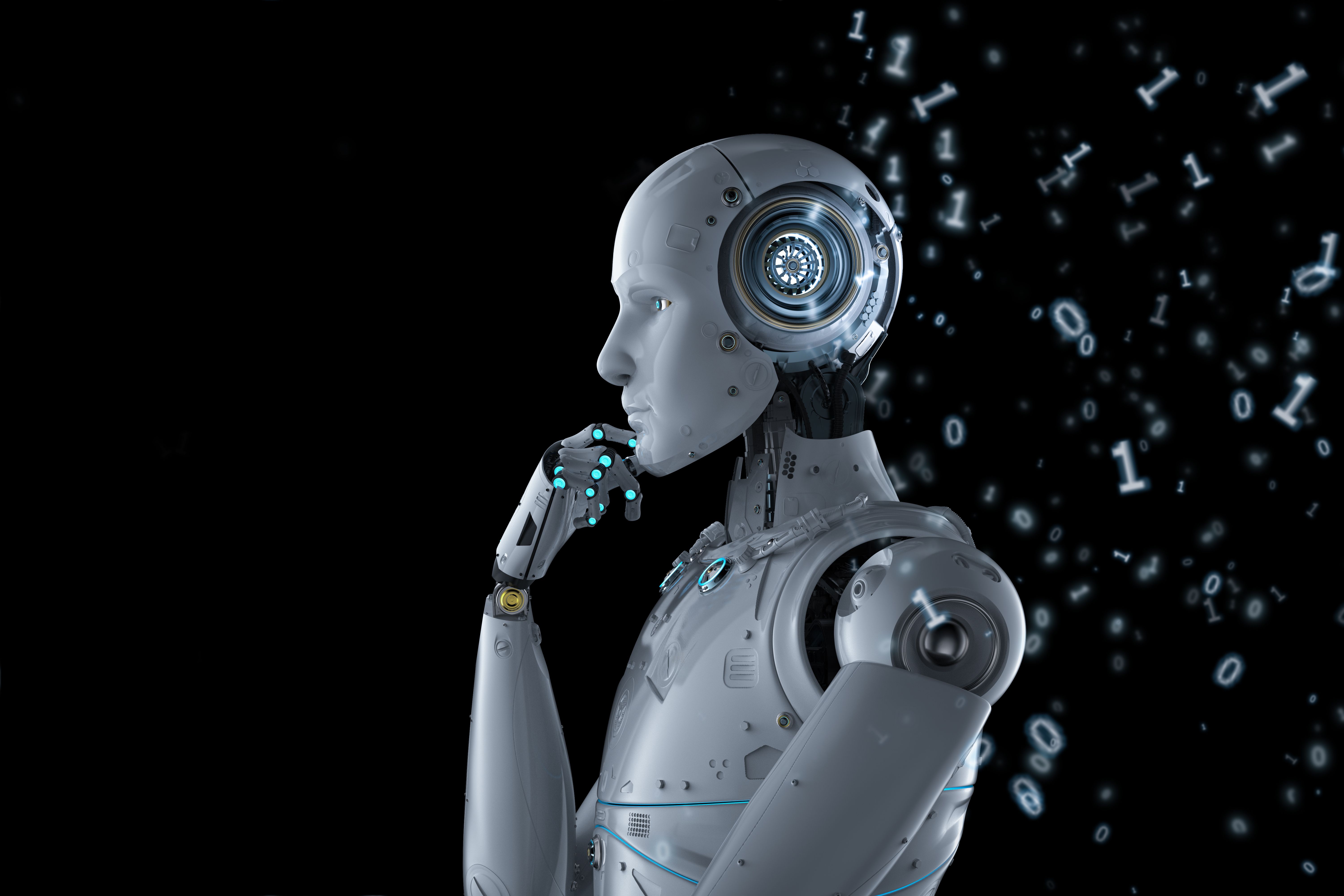
Realizing the difference between AI and human intelligence is essential for setting realistic goals and expectations in AI projects.
Preparing for an AI Course
Before starting an AI course, it's beneficial to dispel these myths and understand the true nature of AI. A clear perspective will help you focus on learning and applying AI effectively. Remember that AI is a tool designed to enhance human potential, not replace it.
By approaching your AI studies with an open mind and a willingness to learn, you'll be well-equipped to navigate this exciting field.